
Pool Design Services: Creating Infinity Edges and Perimeter-Overflow in Your Pool
A custom luxury swimming pool serves as the architectural centerpiece of an elevated residential property, transforming an ordinary backyard into a private, resort-caliber retreat. Incorporating sophisticated hydraulic features like vanishing horizons and mirror-flat water surfaces requires a meticulous blend of geotechnical engineering, mechanical precision, and aesthetic vision. When planning such an ambitious project, partnering with specialized pool design services ensures that every structural nuance and artistic detail aligns seamlessly with your overarching lifestyle goals.
Understanding the Aesthetic Appeal of Modern Water Horizons
Modern residential architecture increasingly emphasizes unbroken sightlines that merge interior living areas with outdoor landscapes. Discerning property owners seek dynamic installations where water interacts seamlessly with the surrounding sky, gardens, and natural topography. Beyond remarkable visual beauty, investing in an architectural water feature delivers tangible lifestyle and financial rewards. According to RaleighRealty.com, swimming pools offer lasting recreation for the whole family and can boost the value of a home by up to 7%. When executing advanced edge details, that return on investment is further elevated through timeless artistic expression that distinguishes a luxury property in the market. The visual impact of water vanishing toward a natural horizon or resting completely flush with adjacent stone pavers creates an undeniable sense of tranquility that conventional pool profiles simply cannot replicate.
Mastering the Mechanical Engineering of Infinity Edges
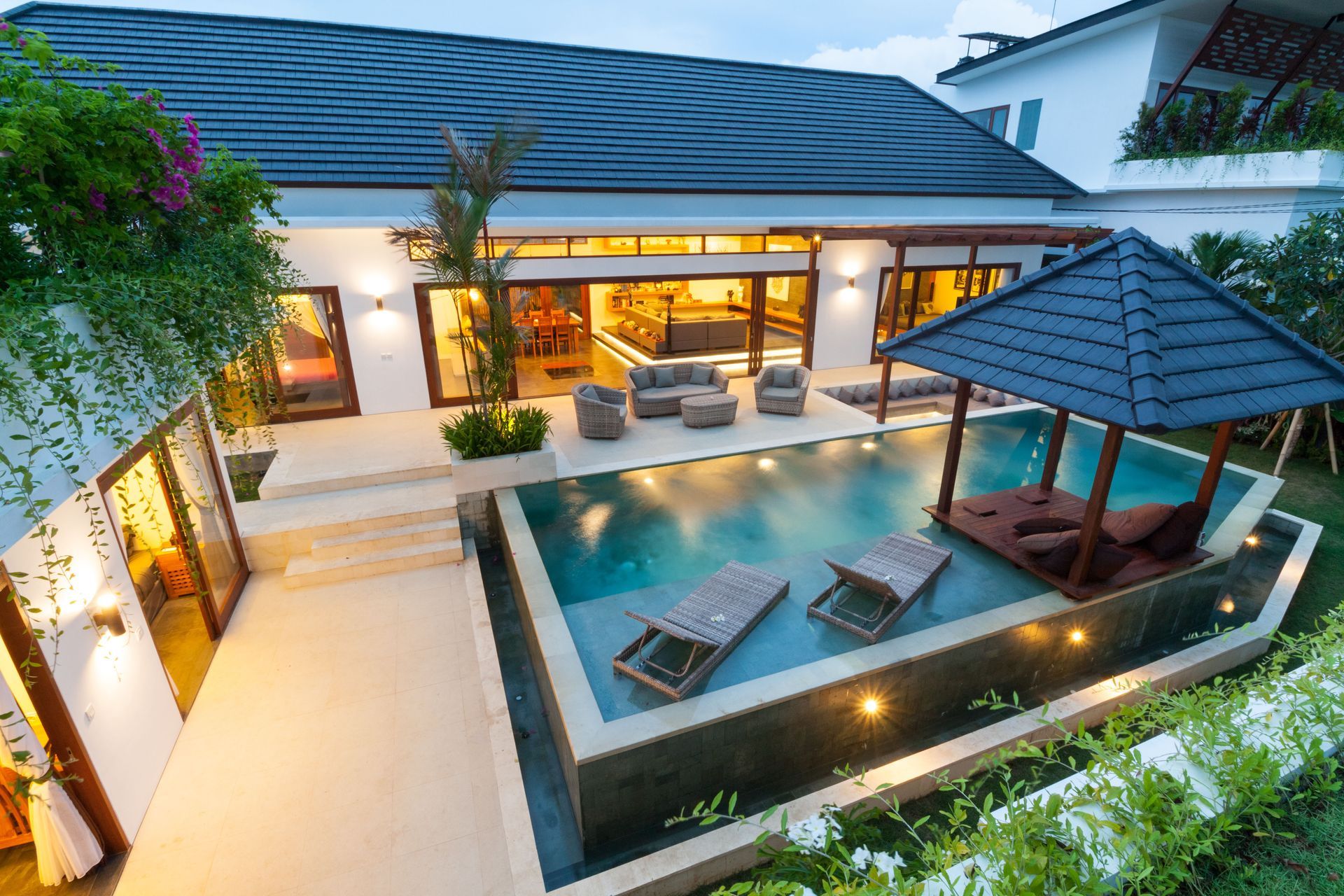
An infinity edge swimming pool, commonly described as a vanishing edge or negative edge, generates the breathtaking illusion that water extends endlessly into the horizon. This visual magic is produced by constructing a weir wall that sits a fraction of an inch lower than the primary pool water level. Water continuously spills over this designated boundary, cascading down the exterior face into a hidden catch basin engineered beneath the main vessel. Achieving this effect requires rigorous hydraulic modeling so that water flows as a glassy sheet rather than a turbulent surge. Collected water in the lower reservoir is captured by high-capacity drains, routed through dedicated filtration systems, and returned to the upper swimming area via discrete return jets. Skilled engineering ensures that water movement remains smooth and quiet, establishing serene continuity with ocean, lake, valley, or mountain vistas.
Designing the Reflective Elegance of Perimeter Overflows
While an infinity edge directs the viewer's gaze toward an external vista along a single side, a perimeter-overflow system celebrates balance and absolute stillness across every boundary. In a true perimeter-overflow pool, water rises to the exact elevation of the surrounding coping and spills over all four sides, disappearing into a narrow, concealed drainage slot. Premier pool design services frequently recommend this perimeter style for courtyard spaces and contemporary estates because the resulting water plane behaves like an immaculate sheet of mirror glass. Because there is no visible waterline tile above the surface, sky reflections, tree canopies, and architectural structures are mirrored with pristine optical clarity. Beneath the coping, a continuous hidden gutter catches the overflowing water and delivers it via gravity to an underground surge tank, where it is balanced and filtered before returning to the pool.
Comparing Site Requirements for Vanishing and Flush Systems
Selecting between a vanishing edge and a perimeter overflow demands careful consideration of your property's natural topography, surrounding sightlines, and primary visual objectives. Vanishing edges are inherently site-specific installations that thrive on sloping acreage, hillside perches, or properties with striking drop-offs, where the catch basin can be fully concealed below natural eye level. If installed on a completely flat lot without significant vertical drops, the exterior weir wall and lower reservoir become awkwardly visible, diminishing the illusion of infinity. Conversely, perimeter-overflow pools are exceptionally adaptable to flat terrain, formal garden courtyards, and minimalist patio environments where uniform horizontal planes dominate the architectural design. While an infinity edge creates outward visual momentum that pulls the eye across distant horizons, a perimeter overflow functions as an inward-focused liquid sculpture, offering contemplative calm and architectural precision.
Calculating Hydraulic Circulation and Structural Support
The structural and mechanical demands of edge-effect swimming pools are far more intricate than those of standard residential installations. Heavy concrete shells, cantilevered weir walls, and substantial secondary holding tanks exert immense loads that require comprehensive geotechnical soil testing and robust engineering frameworks. Experienced pool design services perform complex hydraulic calculations to size secondary surge reservoirs accurately, ensuring they can accommodate bather displacement, rain accumulation, and system shutdown without overflowing or running pumps dry. High-efficiency, variable-speed commercial pumps are calibrated to circulate substantial water volumes with whisper-quiet operation and minimal electrical consumption. Furthermore, automated water-leveling sensors and dual-manifold plumbing designs prevent dry-running and airlock conditions, guaranteeing that water transitions across weirs and overflow slots remain flawlessly balanced regardless of fluctuations in environmental conditions.
Integrating Surrounding Architecture and Hardscape Elements
To maximize the dramatic presence of custom edge profiles, the swimming pool must be conceived as an organic extension of the primary home rather than an isolated outdoor fixture. Primary sightlines from interior living spaces, such as floor-to-ceiling glass sliding doors, modern kitchens, and primary bedrooms, should guide the positioning and orientation of the water feature. Complementary hardscape features, including cantilevered travertine sun shelves, floating limestone stepping platforms, and recessed fire pits, can be integrated alongside the water plane to establish functional outdoor entertaining zones. Surrounding vegetation must be curated with great care, favoring clean ornamental grasses and broadleaf evergreens over heavy-shedding trees that might introduce debris into delicate overflow slots. Strategic architectural illumination is equally critical, as submersible LED channels placed beneath coping edges can transform spillways and reflective sheets into luminous sculptural elements after dark.
Choosing Resilient Finishes and Waterline Materials
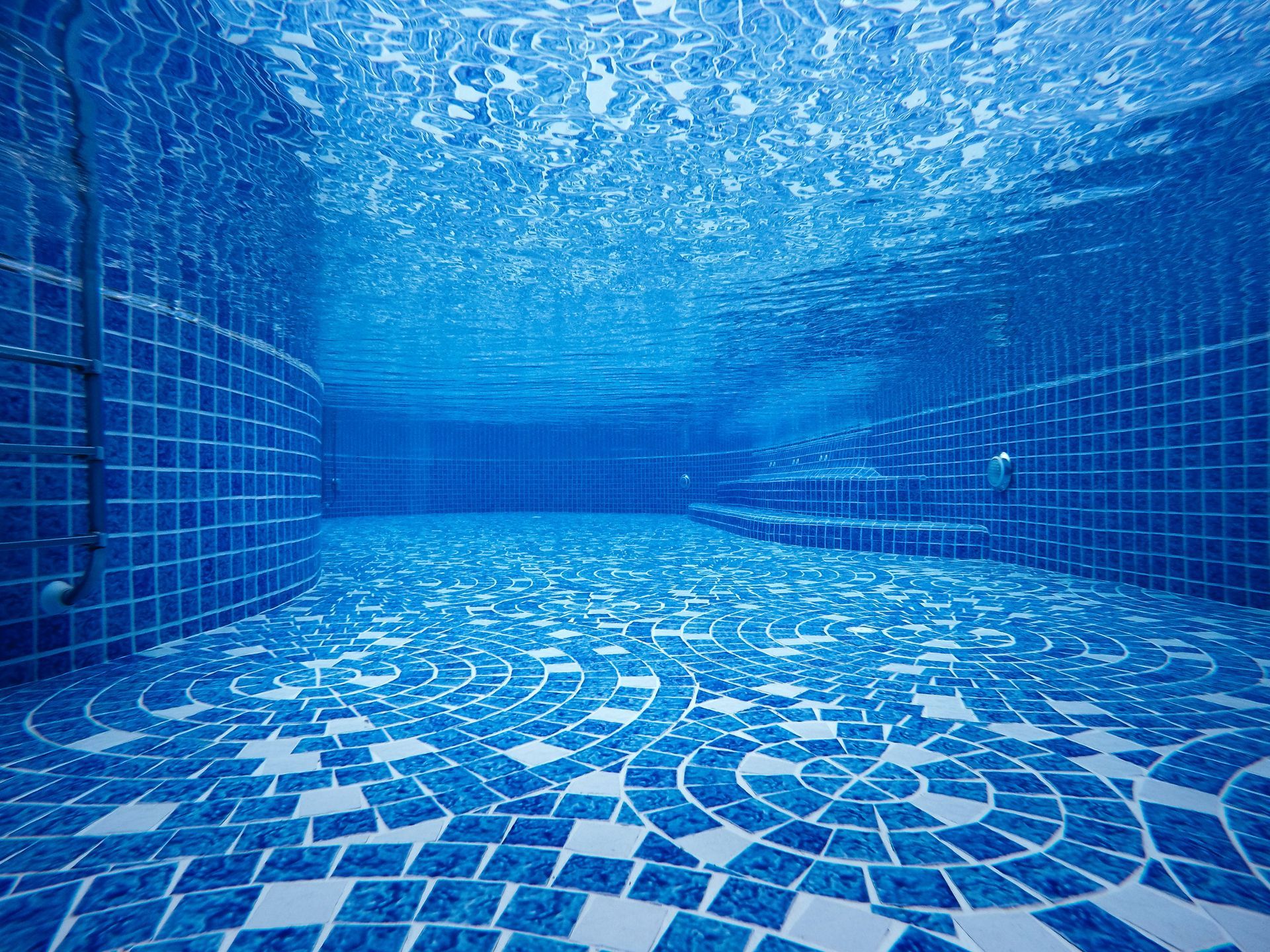
The tactile beauty and longevity of an architectural pool depend significantly on the quality and durability of the surface materials selected for the interior basin and perimeter coping. Dark interior aggregate finishes, including deep cobalt quartz and midnight pebble matrices, create superior reflective properties that enhance the mirror illusion of perimeter-overflow surfaces. For the weir walls and catch basins of infinity pools, designers prioritize non-porous, freeze-thaw resistant surfaces such as custom glass mosaics, flamed granite, or honed basalt tiles that resist mineral buildup and chemical erosion. Partnering with professional pool design services enables homeowners to evaluate material samples under varied lighting conditions, ensuring that chosen textures harmoniously complement adjacent stone patios and architectural veneers. Precision-milled coping stones featuring pencil-edge or knife-edge profiles guarantee smooth water breaks while providing safe, comfortable transitions underfoot.
Managing Water Chemistry and Automated Filtration Systems
Operating an advanced hydraulic aquatic installation requires consistent attention to water chemistry, mechanical upkeep, and automated filtration protocols. Because both infinity edges and perimeter overflows subject water to continuous movement, air exposure, and cascade aeration, they experience elevated rates of evaporation and rapid carbon dioxide off-gassing, which naturally drives up water pH levels. Automated chemical management equipment, including liquid acid metering systems and carbon dioxide injection units, must be deployed to stabilize water parameters without requiring constant manual adjustment. Hidden overflow gutters, subterranean surge vessels, and secondary filtration strainers must be inspected periodically to clear windblown organic matter and prevent hydraulic blockages. Integrating intelligent pool automation systems allows homeowners to monitor water chemistry, control circulation pumps, and manage exterior illumination effortlessly through intuitive mobile interfaces.
Investing in a custom infinity edge or perimeter-overflow pool transforms an outdoor living space into an extraordinary sanctuary of luxury, relaxation, and architectural distinction. Engaging elite pool design services guarantees that the demanding engineering, hydraulic balancing, and material selection required for these complex installations are executed with immaculate precision. This thoughtful investment enriches daily living for years to come while creating a visually captivating centerpiece that dramatically elevates your property's prestige. For more on pool design services available to you, please contact Midwest Custom Pools.

Share On: